
We are building the school we needed
AAII started from a simple observation: the distance between Afghan talent and the global AI industry is not ability. It is access.
Mission and values
Teach artificial intelligence so thoroughly that our students no longer need us
These are the rules we hold ourselves to. They are specific on purpose, so you can tell when we break one.
Free, and free means free
No fees, no locked modules, no "premium" tier, no advertising, and no selling learner data. If we ever cannot afford to run something, we will say so rather than charge for it.
Teach the idea, not the tool
Libraries change every eighteen months. We teach why a method works so that the next framework takes you a weekend, not a year.
Plain language, precise terms
Nothing is dumbed down and nothing hides behind vocabulary. When we use a technical term we define it once, properly, and then use it consistently.
Show the failures
We teach where models break, who they harm when they break, and how to measure it. A course that only shows working code produces engineers who cannot debug.
Local data, local problems
Wheat rust, local speech data, clinic queues, earthquake damage, textbook OCR. Learning on problems that matter to you is faster and the result is worth keeping.
Open by default
Curriculum, slides, code, datasets and our finances are published. Anyone may translate our material or teach from it, including in a classroom we will never see.
Where we are going
Four phases, in order
This is a sequence, not a menu — each phase depends on the one before it. We are honest about which phase we are actually in.
AI education programmes
Ten complete subjects, from Python and mathematics through to agentic AI and MLOps, with video, written guides, code and a project in each.
Technology development
A small research group on Afghan language technology: open datasets, benchmarks and tools that do not exist yet and that only we are motivated to build.
Students and entrepreneurs
Mentorship pairs, an equipment fund for learners without a laptop, and support for graduates turning a project into a product or a paid contract.
Opportunity through digital skills
An employability track — portfolios, interviews, remote-work practice — and partnerships with employers who will actually hire from it.
Team
Who is doing this
A small volunteer team, and room for more. If you can teach, translate, or review a lesson, there is a place for you.
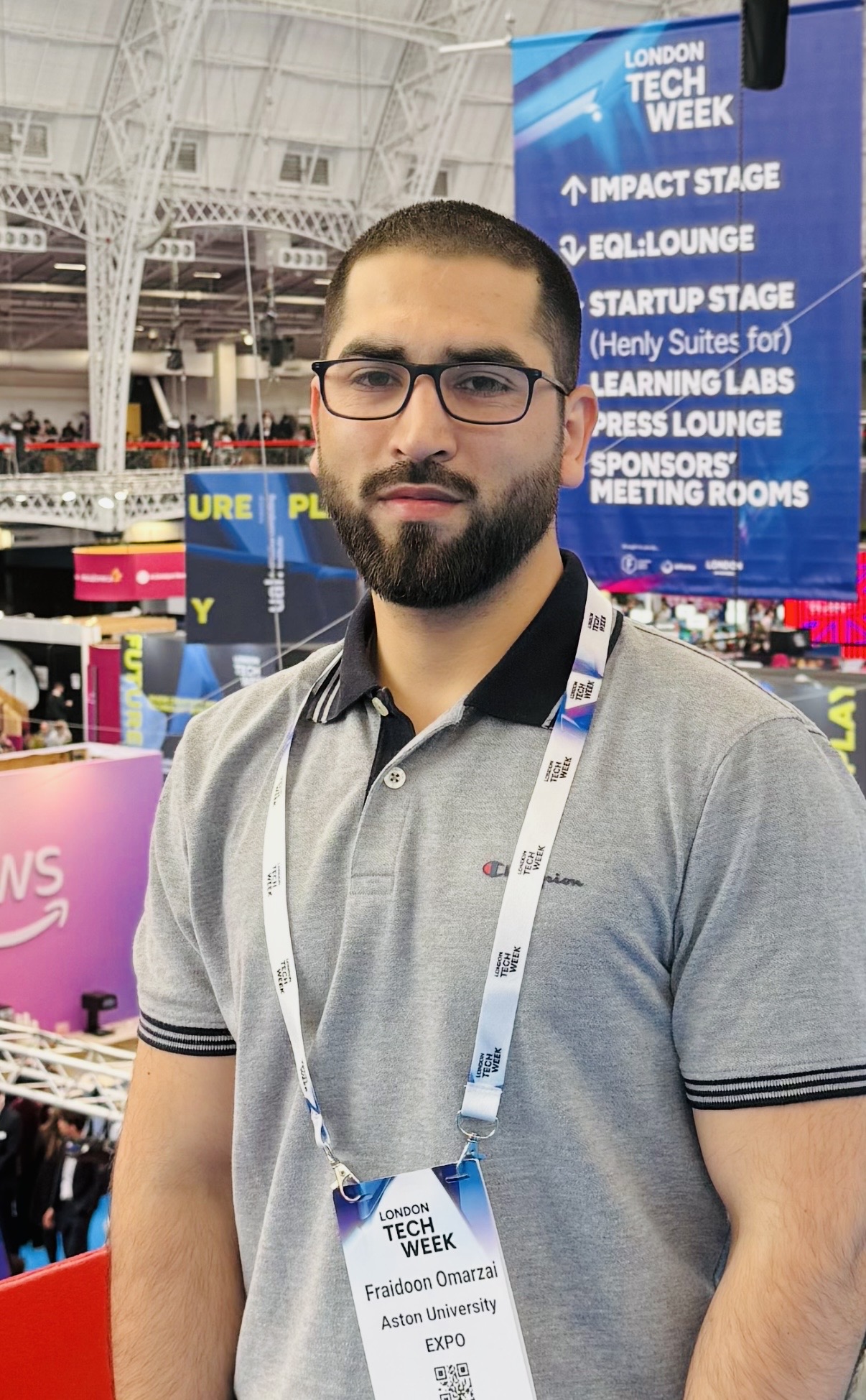
Fraidoon Omarzai
Co-Founder & Chief Technology Officer (CTO)
Technology, AI, Education & Technical Research.
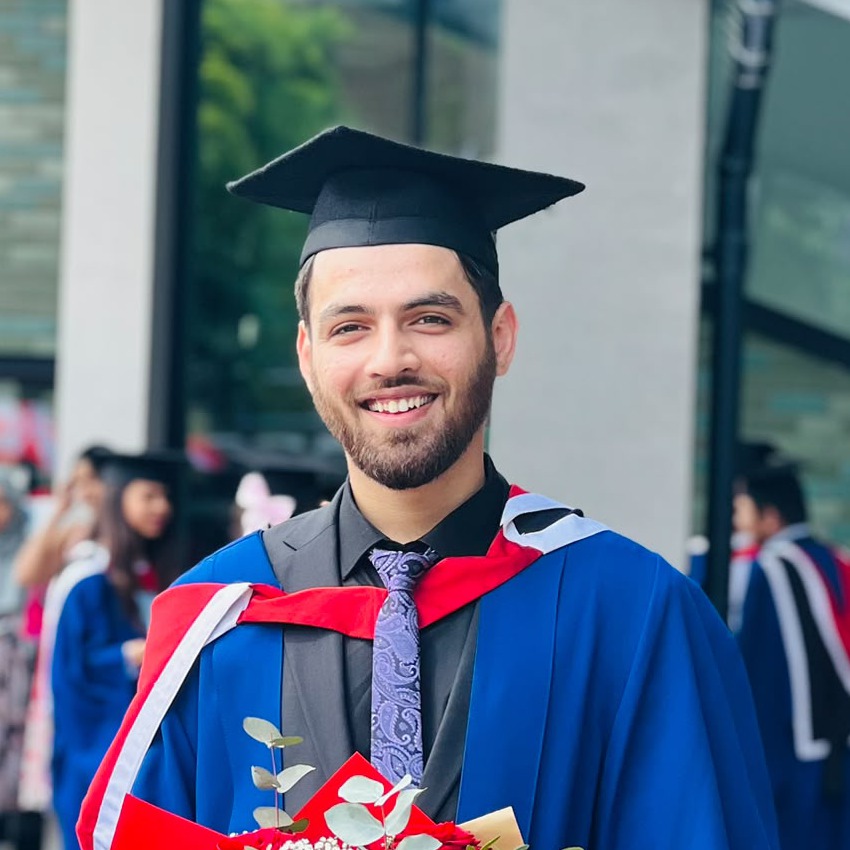
Jalaluddin Obaidi
Co-Founder & Executive Director
Strategy, Operations, Partnerships & Institutional Development.
Transparency and impact
What we publish, and how we count
Numbers are easy to inflate, so here is exactly how ours are measured. Figures are updated at the end of each quarter.
| What we report | How it is measured | Published |
|---|---|---|
| Course completions | A learner who submits the final project of a course. Video views are not counted as learning. | Quarterly |
| Reach and completion | Lessons watched or read, and how many learners reach the end of a subject. We report drop-off honestly rather than only the headline figure. | Quarterly |
| Income and spending | Every donation and every cost, itemised. Names of individual donors are withheld unless they ask otherwise. | Annually |
| Curriculum licence | Lessons and slides under Creative Commons BY-SA. Code under MIT. You may teach from all of it commercially. | Continuous |
| Dataset provenance | Where the data came from, who consented to its use, and the licence it carries. Datasets without clear consent are not released. | Per release |
| Learner privacy | Progress is stored in the learner's own browser. We do not require an account to study and we do not sell anything to anyone. | Continuous |
Formal non-profit registration is in progress. Until it completes we do not solicit public donations — see Get involved for the current position.